
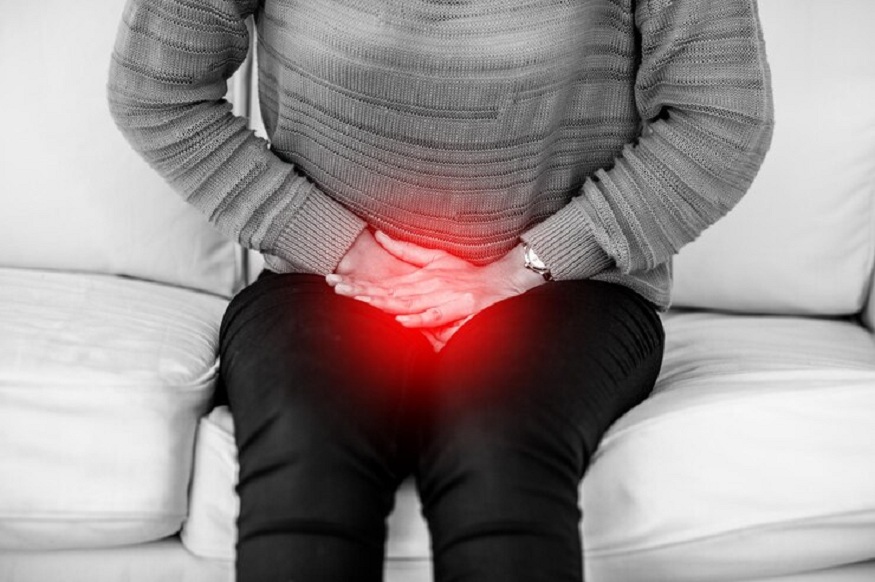
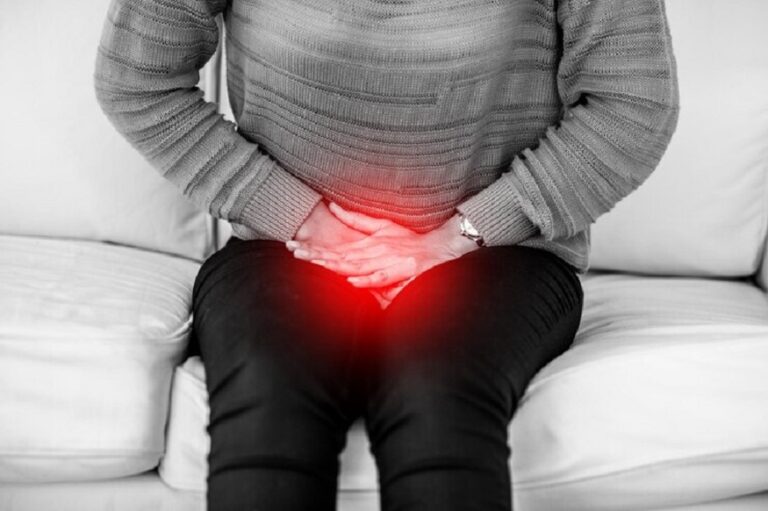
Feeling like your bladder is still full even after you have just used the restroom can be uncomfortable, confusing, and disruptive to your daily routine. Many people experience this sensation occasionally, but if it happens frequently, it may point to an underlying issue affecting how well your bladder stores or releases urine.
Since bladder function is closely tied to the nervous system and the muscles around the urinary tract, even small disruptions can create lingering fullness or urinary pressure. This lingering sensation is not always due to how much urine is left inside the bladder. It may also be linked to irritation, muscle tension, or changes in bladder sensitivity. Understanding the root cause helps you take the right steps toward finding relief and restoring normal urinary function.
What Is Urinary Retention?
Urinary retention is a condition in which the bladder does not empty completely, even when you feel the urge to urinate. This means that after using the restroom, some urine still remains inside. Urinary retention can occur suddenly, which is acute, or develop slowly over time, which is chronic.
There are two types of urinary retention, which are acute urinary retention and chronic urinary retention. Acute urinary retention causes a sudden, painful inability to urinate. This is a medical emergency and needs immediate care. Chronic urinary retention is a gradual inability to fully empty the bladder. It may not cause pain but leads to constant discomfort, urinary frequency, or a persistent feeling of fullness.
Several factors can interfere with the nerves or muscles that support urination. Weak bladder muscles, nerve-related issues, blockages in the urinary tract, or certain lifestyle patterns can all play a role.
Why Bladder Feels Full After Peeing?
A persistent feeling of fullness after urinating can occur for several reasons. Some are temporary and harmless, while others require medical attention. This condition occurs due to various factors, and the best urogynecology hospital in Coimbatore helps in evaluating the underlying root cause effectively and providing accurate treatment.
Common Causes
- Incomplete Bladder Emptying: Sometimes the bladder muscles fail to contract strongly enough to release all the urine. This leads to leftover urine, causing ongoing pressure or heaviness.
- Urinary Tract Irritation: Irritation from inflammation can make the bladder extra sensitive. Even small amounts of urine can trigger the feeling of a full bladder.
- Blockage or Obstruction in the Urethra: Narrowing of the urinary passage can slow the flow of urine, making it difficult to empty the bladder fully.
- Overactive Bladder (OAB): An overactive bladder causes frequent urination, even when there is very little urine inside. This can mimic the sensation of fullness or urgency.
- Pelvic Floor Dysfunction: Tight or weak pelvic floor muscles interfere with complete bladder emptying. These muscles must coordinate properly to release urine smoothly.
- Nerve-Related Issues: Conditions affecting the nerves that control the bladder can disrupt communication, causing mixed signals such as false fullness or persistent urges.
- High Fluid Intake or Bladder Irritants: Drinks such as caffeine, carbonated beverages, and acidic juices may irritate the bladder lining and increase the urge to urinate even after emptying.
- Stress and Anxiety: Emotional stress can heighten bladder sensitivity, making you more aware of sensations you might otherwise ignore.
How Can This Condition Be Treated?
The treatment depends on what is causing the persistent fullness. A proper evaluation helps identify whether the bladder is failing to empty, becoming too sensitive, or reacting to irritation.
Common Treatment Approaches
1. Lifestyle and Fluid Management
Adjusting fluid intake and avoiding bladder irritants like caffeine or spicy foods can help reduce symptoms.
2. Pelvic Floor Physiotherapy
Professional pelvic floor therapy helps strengthen and relax the muscles involved in urination, improving bladder control and emptying.
3. Bladder Training
Techniques that teach the bladder to follow a regular schedule can help reduce constant urges and improve its capacity.
4. Warm Compresses
Applying warmth over the lower abdomen can relax tight muscles and ease the feeling of bladder fullness and discomfort.
5. Treating Underlying Blockages Or Structural Issues
If a physical obstruction is identified, your doctor may recommend procedures to restore normal urine flow.
6. Managing Nerve-Related Conditions
When nerve signals are affected, targeted treatment can help improve bladder coordination.
7. Regular Monitoring
Tracking urinary patterns, frequency, and triggers helps doctors personalize care and follow your progress over time.
In cases of acute urinary retention, marked by sudden inability to urinate, immediate consultation with the best urogynecologist in Coimbatore is essential for preventing complications.
Summary
A bladder that feels full even after peeing can develop from muscle dysfunction, nerve-related issues, irritation, or incomplete emptying. Understanding urinary retention and the factors that trigger false fullness helps you recognize when to seek help.
With the right evaluation and personalized treatment, whether through lifestyle changes, pelvic floor therapy, or addressing underlying causes, most people experience significant relief and regain normal bladder function. If this discomfort persists, consulting a specialist can help identify the cause and provide proper treatment efficiently.






+ There are no comments
Add yours